Riddles

  • Home
  • Startseite
  • Allgemeinwissen
  • Any day is a good day for some...
  • Aussprache Tipps
  • Automotive
  • Blog
  • Cartoons
  • Contact
  • Directions
  • COVID19 Face Masks
  • Fact or Nonsense?
  • Dog Tales
  • Gedichte
  • German Greetings
  • General Knowledge Quiz
  • German Lessons
  • German Phrases
  • Hundegeschichten
  • Jokes 1
  • Jokes 2
  • Karikaturen
  • Klimawandel Lied mit Text
  • Kurzgeschichten
  • Legal Terms
  • Lesson Plan - The Berlin Wall
  • Lieder
  • Medical Terms 1
  • Medical Terms 2
  • Medical Terms 3
  • Pictures of Germany
  • Poems
  • Quiz 1-5
  • Rätsel
  • Rätsel 2
  • Recipes
  • Reime
  • Rhymes
  • Riddles
  • Riddles 2
  • Sayings
  • Sayings 2
  • Short Stories
  • Sprüche 1
  • Sprüche 2
  • Unsinn oder Tatsache
  • Untamed Environment
  • Untamed Environment 2
  • Untamed Environment 3
  • Untamed Environment 4
  • Untamed Environment 5
  • Wegebeschreibung
  • Where I am from
  • Widersprüchlich
  • Witze 1
  • Witze 2
  • Word of the day


Asking Someone About The Well-Being of Others


Do you remember?:
The capitalized "Sie" is used to address one or more person(s) formally while the lower case "sie" is used when referring to a female ("she") or when referring to several people ("they").


A FEMALE

 "She is called Wilma."

"Wie geht es Ihr?"


A MALE

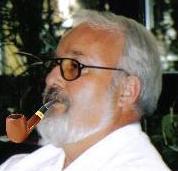
"He is called Peter."

"Wie geht es Ihm?"

"They are called Wilma and Peter."

"Wie sind Sie?"
 

 "They are called Wilma, Peter, Diana, Bear and Biscuit."

"Wie sind Sie?"

The pronoun "es" ("it") is used when referring to a child or a young animal.

A CHILD

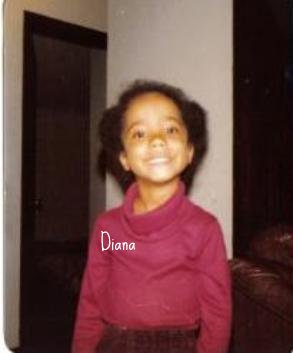
"It is called Diana."

""Wie geht es Ihr?"


A YOUNG ANIMAL
"It is called Bear."
"Wie geht es Ihm?"

A YOUNG ANIMAL
"It is called Biscuit."
"Wie geht es Ihr?"


Practice spelling here:  


Go to Lesson  Practice

Make a free website with Yola